Glow Again with Lutronic Ultra’s Laser Therapy
Over time, environmental factors damage the skin. Signs of skin damage contribute to your skin having a less even tone and texture. This laser treatment can reduce these problems and restore your skin to a more youthful and healthy appearance.
Lutronic Ultra is unique from traditional resurfacing lasers. Ultra rebuilds glowing and healthy skin through non-ablative fractionated treatments or treatments that keep the skin intact and work by tightening from underneath.
Your Ultimate Solution for Radiant, Rejuvenated Skin
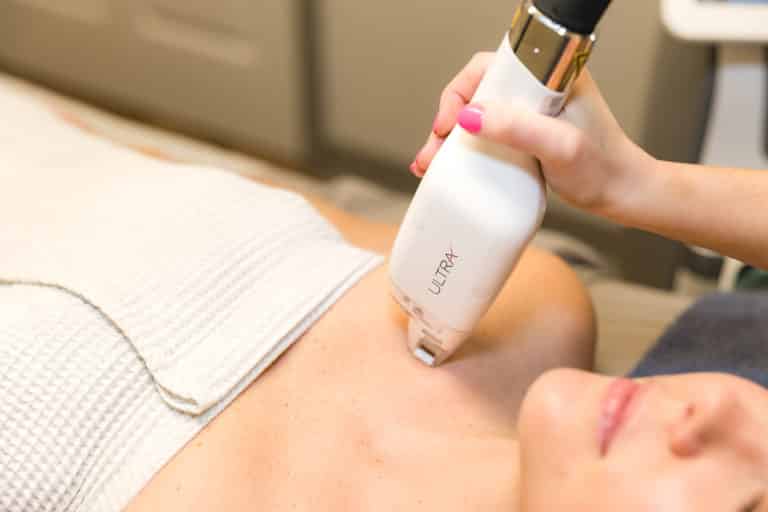
Welcome to Lutronic ULTRA laser treatments, the ultimate solution for all your skin concerns. Our state-of-the-art laser technology is designed to revitalize your skin without causing any damage to its surface. Lutronic ULTRA laser treatment creates controlled heat in the skin, which improves the skin’s condition and helps you achieve clearer, brighter, and smoother skin.
Our non-ablative skin treatment is highly effective and customizable to best address your unique skin tone, skin type, and skin concerns. Whether you want to achieve a brighter, more glowing complexion, resolve fine lines and pigmentation concerns or reduce sun damage, our laser treatments can help you achieve your desired results.
Our laser treatments can be performed on the face, neck, and chest, as well as any area of the body, including arms and legs. Our highly experienced team of professionals will work with you to develop a customized treatment plan to help you achieve your desired results. Our team is committed to providing the best possible care to ensure you have a comfortable and effective treatment.
At Rejuvenate Wellness and MedSpa, we use the latest laser technology, which is safe and highly effective in treating all skin types. Our laser treatments use a unique combination of wavelengths to target specific areas of the skin, promoting collagen production, and reducing the appearance of fine lines and wrinkles. Our treatments also improve skin texture and tone, leaving you with a radiant and youthful complexion.
Learn MoreFast & Painless Laser Treatments
Our laser treatments are quick and painless, and you can expect to see results after just one session. The number of sessions required will depend on your skin condition and the results you want to achieve, but most people need an average of 3 treatments spaced 4 weeks apart.
At Rejuvenate Wellness and MedSpa in Jackson, Tennessee, we are committed to helping you achieve your desired results. Our team is highly experienced, and we use the latest laser technology to provide safe and effective treatments. Contact us today to schedule a consultation and learn how we can help you achieve the beautiful, radiant skin you deserve.
What To Expect
If you’re considering Lutronic ULTRA laser treatments, you may be wondering what to expect during and after the procedure. Here’s a brief overview of the process and what you can expect from this innovative treatment:

1. Consultation
Before the treatment, you will have a consultation with one of our experienced professionals. During this consultation, we will assess your skin condition and discuss your desired results. We will also discuss the treatment process, any potential side effects, and what to expect during and after the procedure.
2. Preparation
On the day of your treatment, we will ask you to arrive with clean skin, free of any makeup or lotions. We may apply a numbing cream to the treatment area to help reduce any discomfort during the procedure.
3. Treatment
During the procedure, you will be comfortably positioned, and the laser will be applied to the treatment area. You may feel a warming or tingling sensation, but the treatment is generally well-tolerated and not painful. The treatment time will depend on the area being treated, but typically takes between 30-45 minutes.
4. Aftercare
After the treatment, you may experience some redness, swelling, or mild discomfort. These side effects are temporary and should subside within a few days. We will provide you with instructions for aftercare, including how to keep the treated area clean and protected from the sun.
5. Results
You may notice an improvement in your skin’s appearance after just one session, but optimal results typically require multiple treatments. We will work with you to develop a personalized treatment plan to help you achieve your desired results.
Fast, Painless, and Customizable Skin Renewal
According to clinical studies, Lutronic Ultra is fast and essentially painless. Ultra is a true Thulium laser or a laser that operates at wavelengths in a continuous wave or pulsed mode. Ultra is the ultimate device for refreshing and rebuilding new and healthy skin in all skin types and all ages. However, we suggest you avoid sun exposure and skin irritants for up to 24 hours after your treatment.
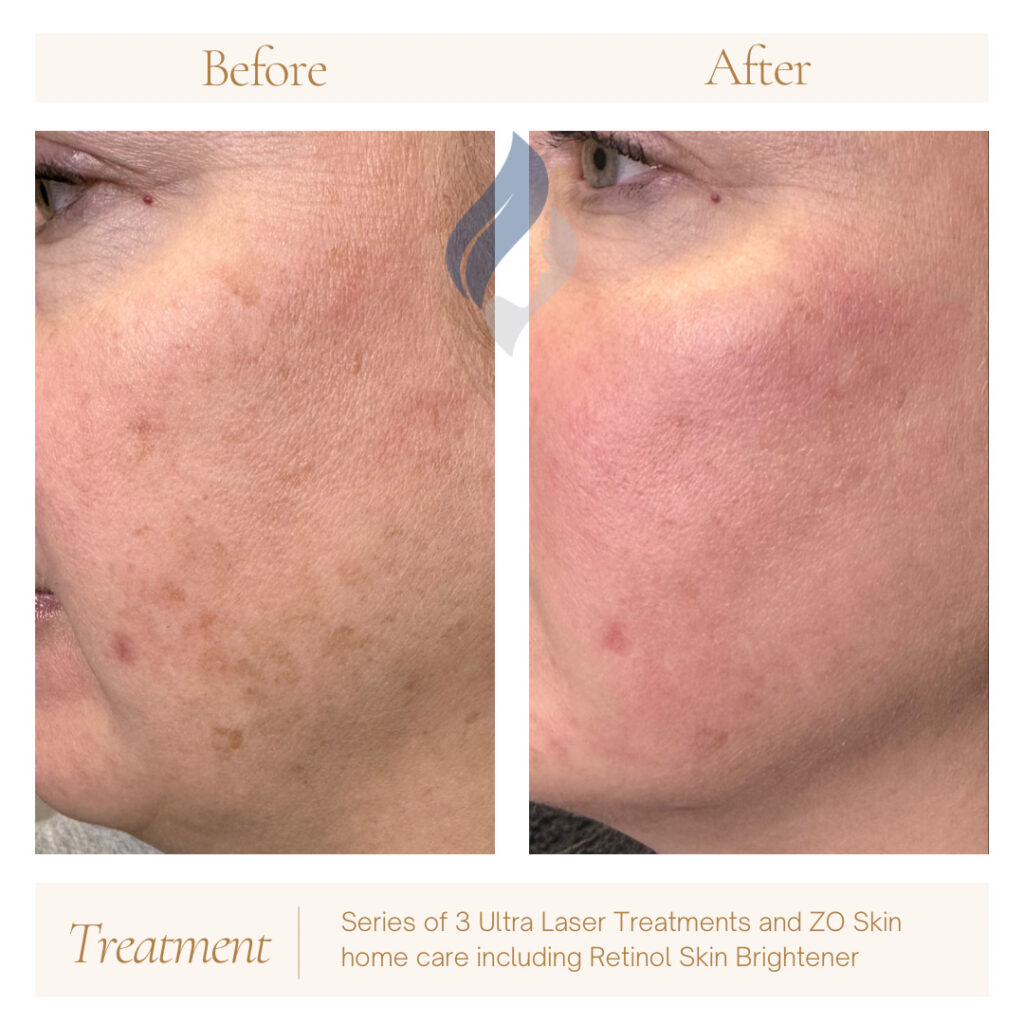
Ultra creates tiny thermal creases in the skin to trigger the body to generate new tissue. New tissues give your skin a brighter tone, improve texture, and reverse pigment and sun damage. Treatment can be customized year-round from mild to aggressive to suit all skin types. You can use Ultra anywhere on the body, including the face, chest, neck, hands, and arms.
Learn More
Morpheus8 can be combined with Lutronic Ultra for a Total Skin Solution. We do the Morpheus8 treatment first, immediately followed by the Ultra. This combination treats all layers of the skin comprehensively. Morpheus8 addresses volume loss and laxity while Lutronic Ultra addresses pigment. We can smooth, tighten, and improve skin tone and texture in one treatment.
Post-treatment redness may occur on the first day following your Lutronic Ultra session. Your skin may have a dry, rough texture during the recovery, but this is more noticeable to the touch rather than visually. The mild exfoliating effect may continue for five or six days after the procedure, but fresh and healthy layer of skin and a clearer complexion will be seen. We recommend a series of three once-a-month treatments for optimal results.
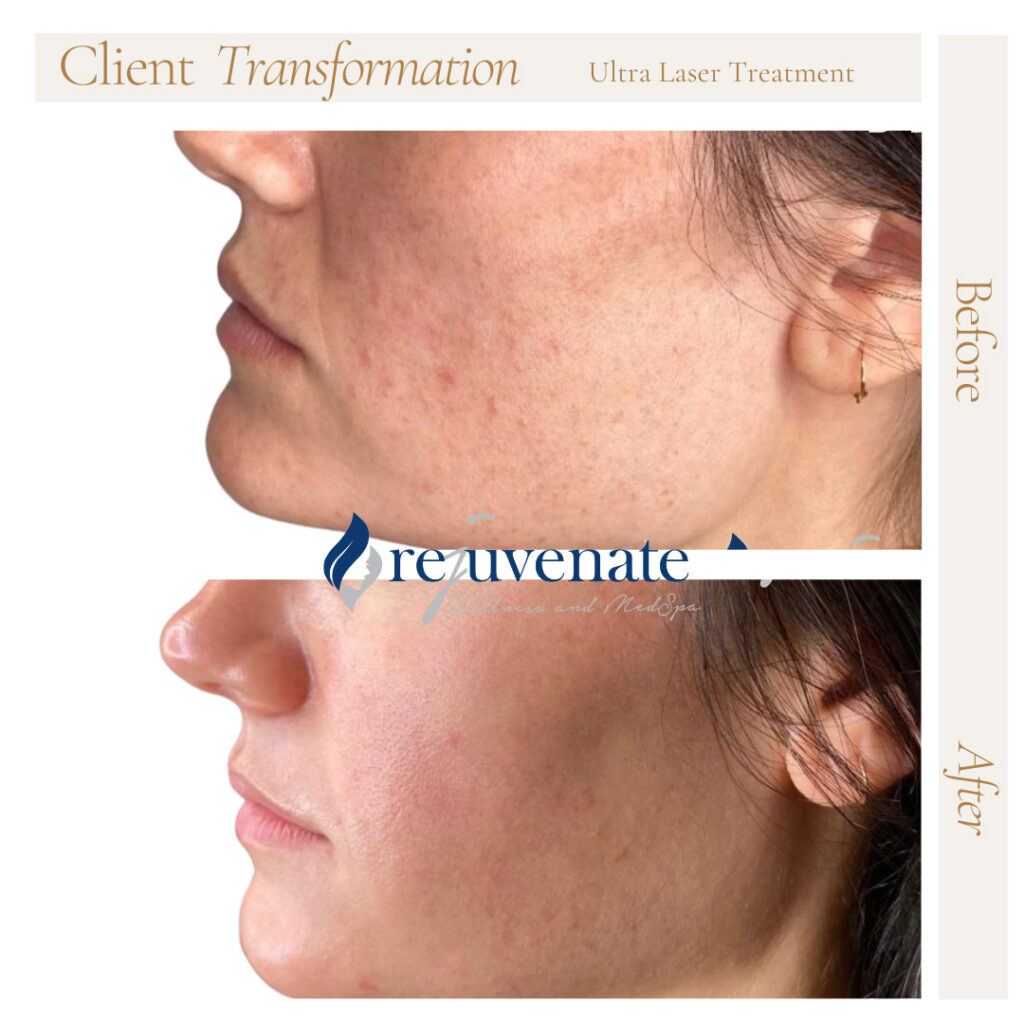
Before & After
FAQ
How does LaseMD Ultra work?
LaseMD Ultra is a gentle but effective non-ablative laser that targets the water molecules in the skin. The treatment can be customized to fit your needs – whether you are looking for a light resurfacing to give your skin a glowing appearance before a special occasion or a deeper treatment to address fine lines, pigmentation and mild to moderate sun damage, LaseMD Ultra is the perfect addition to your skin care routine.
What are the benefits of a LaseMD Ultra treatment?
- Brighter Skin Tone
- Fine Lines
- Improved Skin Texture
- Pigment Reduction
- Décolleté Care
- Age Spots
- Sun Spots
- Freckles
- Actinic Keratoses
- Mild to Moderate Sun Damage
Is LaseMD Ultra safe for all skin types?
Yes! Anyone can benefit from LaseMD Ultra’s cutting edge technology!
How many LaseMD Ultra treatments will I need?
Monthly treatments are recommended to maintain a youthful glow and prevent future skin damage. Your provider will work with you to find the best treatment regimen based on the results you are trying to achieve. LaseMD Ultra makes the perfect complement to any skincare routine!
What should I expect during the treatment? Is it painful?
You will feel some heat and tingling as the laser is passed over the skin. The number of passes and procedure time will depend on the depth of treatment, lasting anywhere from 5-20 minutes. For mild treatments, the discomfort is very minimal. For more aggressive treatments, your physician may apply a numbing cream 30-45 minutes before the treatment to maximize your comfort.
What should I expect after the treatment?
Immediately following the treatment, you will notice some redness, which will lessen over the next day or so. The following 5-6 days, your skin will have a dry, sandpaper-like texture. This is normal and will resolve as your skin exfoliates, revealing fresher, clearer skin.
Is there any downtime?
While there will be some visible redness right after the treatment, you will be able to immediately resume your normal activities.
Let’s Talk!
Your First Consultation Is Free
Ready to take the first step towards a more radiant and confident you? At Rejuvenate Wellness & Med Spa, we're excited to offer you a complimentary first consultation. Our experienced team is here to listen to your goals, answer your questions, and create a personalized plan tailored to your unique needs. Don’t wait any longer—reach out to us today and start your journey to rejuvenation with no initial cost.
Consultation Call Now